The Radical Honesty: Let’s be real. Most of our parish churches sit empty on a Tuesday morning while the local yoga studio is packed and the high street is a sensory nightmare.
People are desperate for a space to breathe, but they’re often intimidated by the religious expectations of a church.
We have to offer something so beautiful and restorative that a busy professional or a stressed parent will actually make the trek to the church doors.
1. The Concept: The Secular Sanctuary
The goal isn’t a service; it’s a state of being.
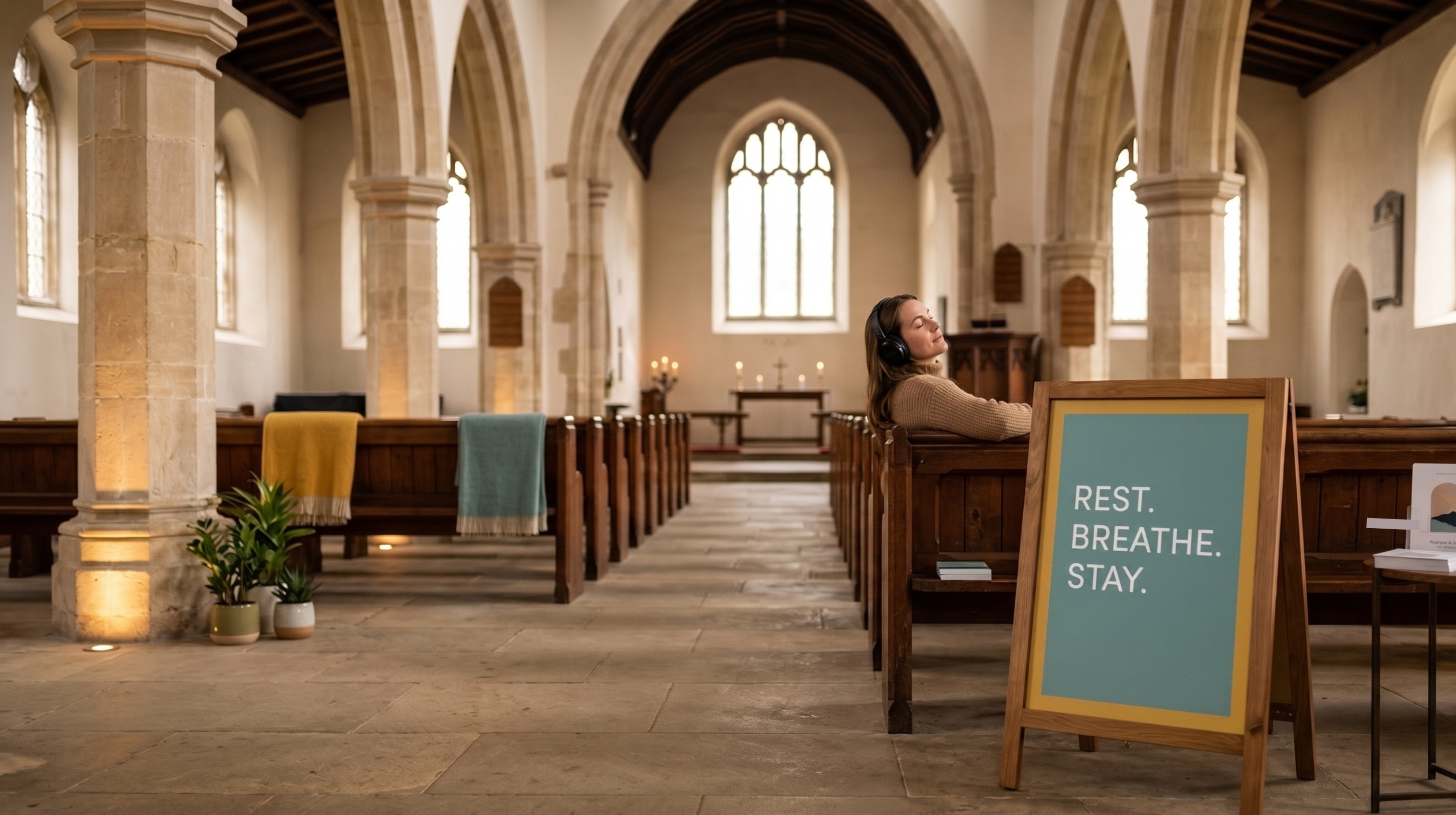
By designating the nave as a quiet zone for specific hours, you aren’t secularising the space—you are returning it to its ancient roots as a place of refuge.
The Vibe: Lo-fi beats, low lighting, and zero clutter.
The Rule: No one will approach you. No one will hand you a leaflet. You are here to just be.
2. The Vibe Check: High-Design, Low-Complexity
You don’t need a liturgical degree or a massive budget to transform a nave; you just need to curate the sensory experience. If the space feels like a dusty museum, people will stay ten minutes away. If it feels like a modern gallery, they will stay for an hour.
- The Clutter Audit: Most churches have too much stuff. Old posters, plastic flower arrangements, and stacks of 1990s hymn books create visual noise. To create a sanctuary, clear the decks. Use negative space to let the architecture breathe.
- Lighting as Architecture: Overhead lights in churches are often either hospital cold or yellow-dim. Invest in warm, rechargeable LED uplights or high-quality floor lamps. By dimming the main lights and highlighting the stone textures, you change the building’s DNA instantly.
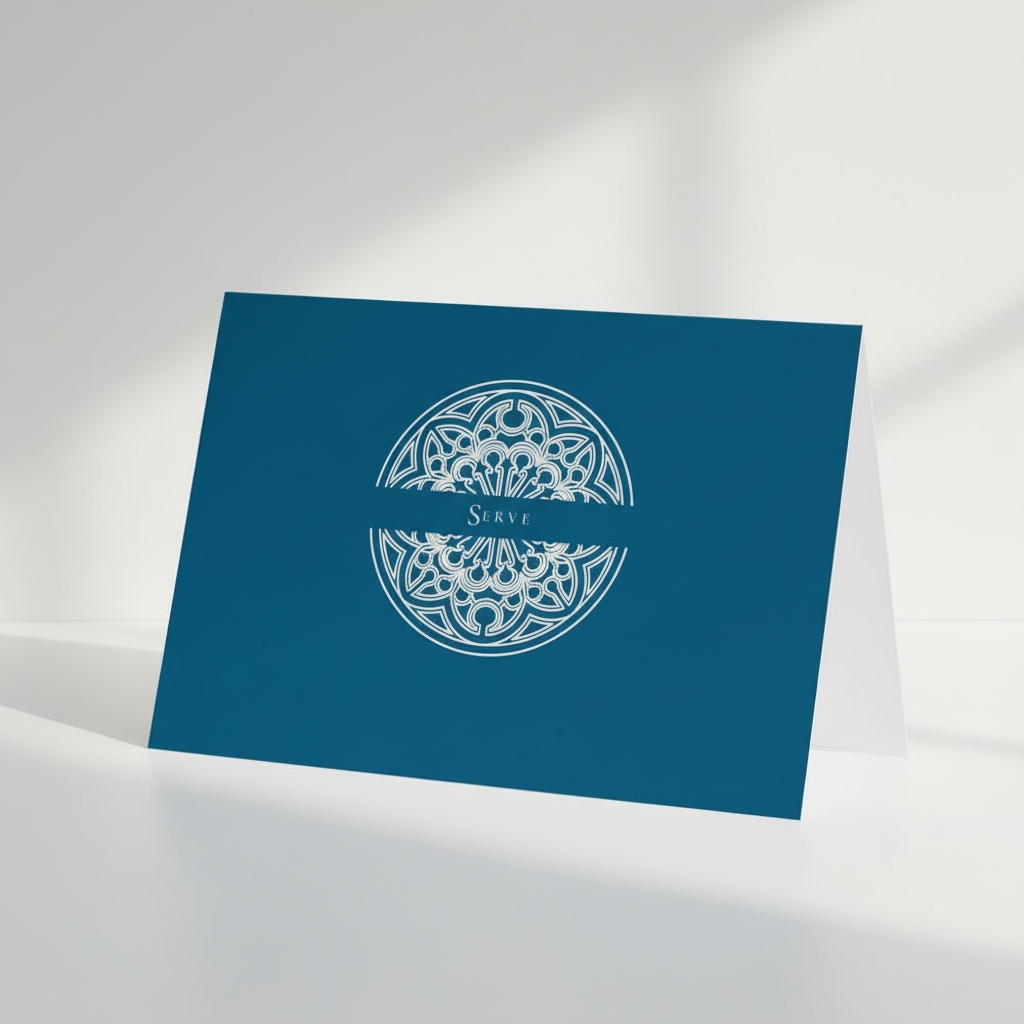
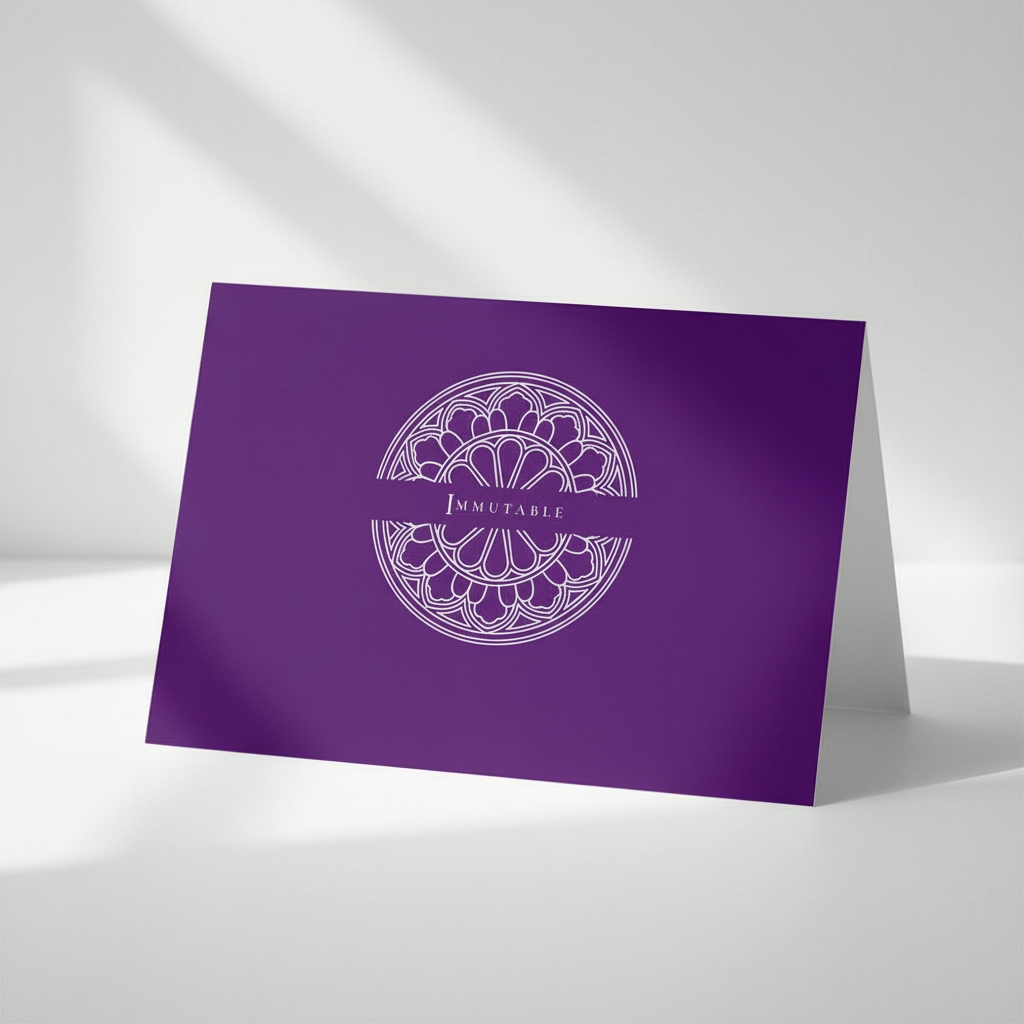
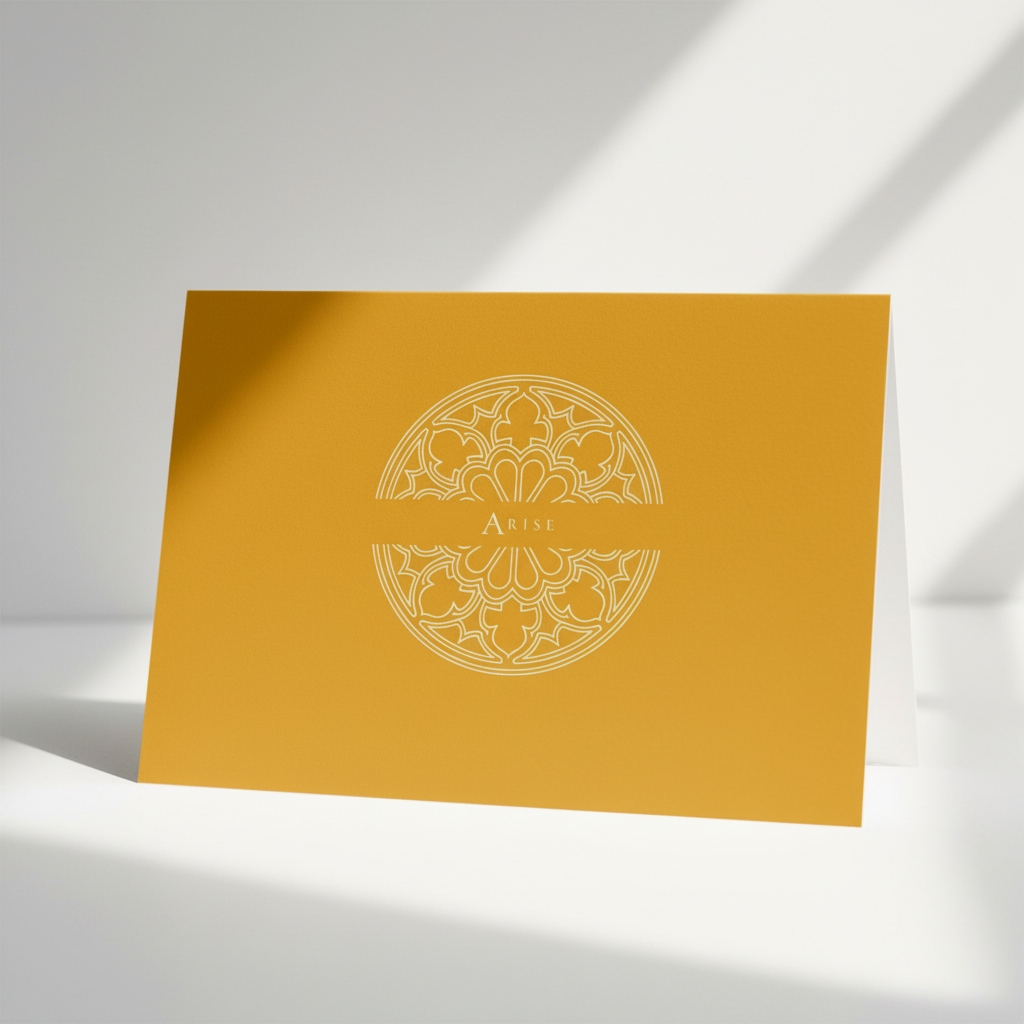
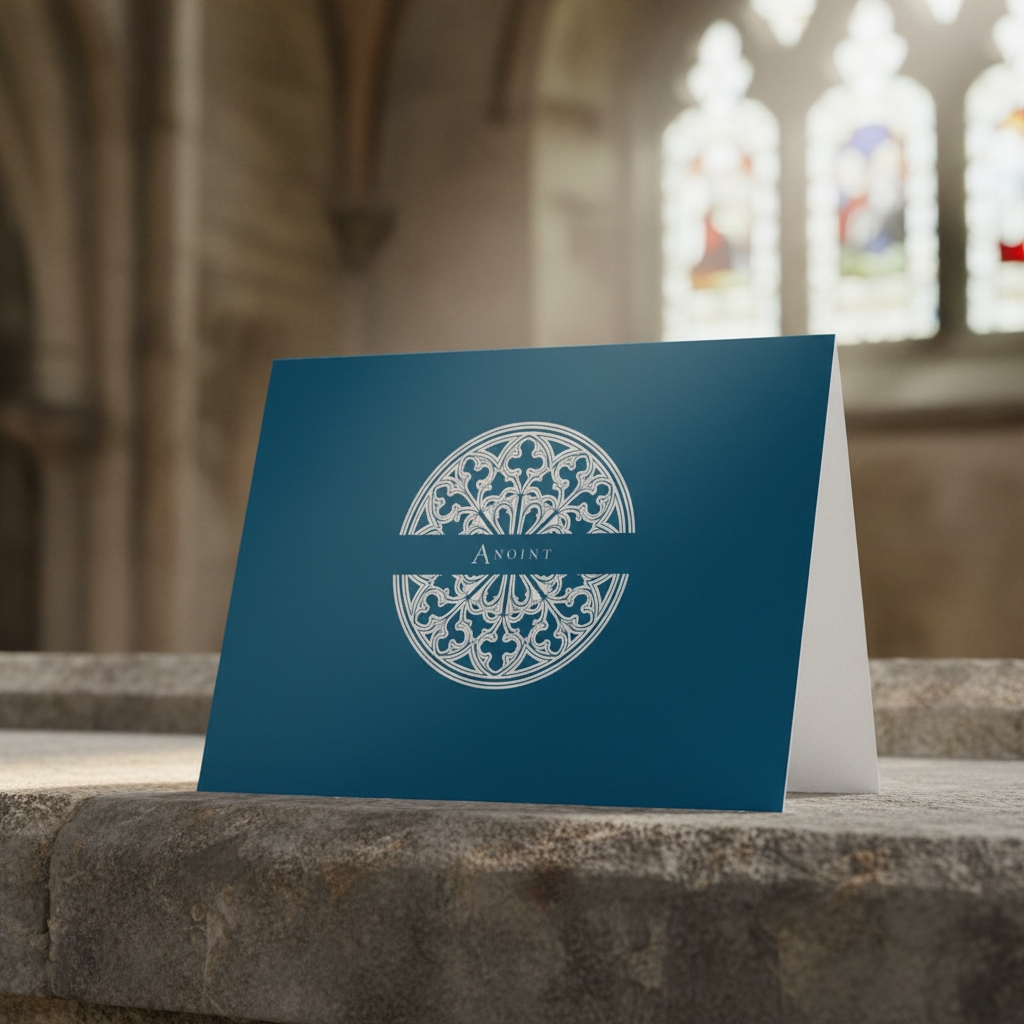
- Relatable Signage: Ditch the laminated A4 sheets taped to the door. Use heavy cardstock or sleek wooden A-frames. The language should be human: Phones on silent. Mind on open. This is your space to just exist.
- The Pectore & Eden Touch: Use bright pop colours to create zones. A vibrant teal cushion or a mustard-yellow throw on a dark oak pew signals that this isn’t a do not touch museum—it’s a living space designed for comfort.
3. The 10-Minute Walk Test: Why would they come?
Ask yourself: If I am having a heavy day, does this building look like a place where I can hide for twenty minutes?
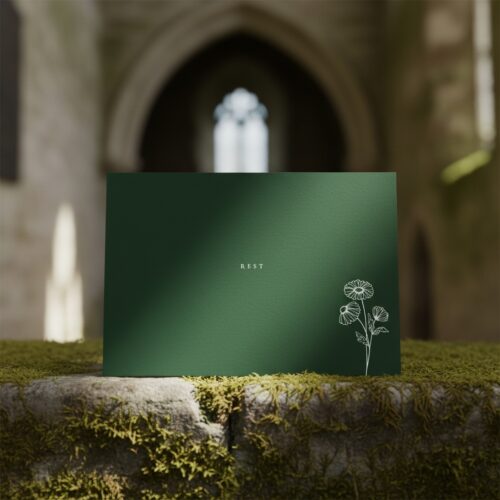
The Solve: A wellness station near the entrance. A simple wooden table with cards or flyers that have a single, grounding bible verse—and a QR code for a nave meditation playlist.
4. Revenue Without the Cringe
We have to keep the lights on, but we don’t need a clunky brass plate.
The 2026 Model: Pay-as-you-stay or a Patron of the Peace digital subscription.
The Bottom Line: From Relic to Resource
Ultimately, creating a secular sanctuary is about reclaiming the relevance of these ancient spaces for a modern, overstimulated world. When the nave becomes a place where a neighbour can find twenty minutes of silence or a warm seat, the church stops being a relic and starts being a resource.
By prioritising high-design and low-complexity, any parish—regardless of its size or budget—can transform from an under-supported building into a thriving community engine. It is about making the church the most useful and beautiful space in the postcode.
“When we lead with radical honesty and prioritise the needs of the person outside the door, we don’t just preserve a building; we ensure its future.”
*Imagery co-created with AI
Subscribe to our free newsletter
Updates from our Exeter studio on our craft, theology, and the art of slowing down.
* We respect your inbox as much as your privacy. View our privacy policy here.