There is a quiet crisis in 2026.
People are starving for depth, but they are looking for it in all the wrong places—scrolling through fleeting digital quotes when what they really crave is a solid foundation.
For centuries, the local church was the heart of the village, but perhaps it’s time it became the head and the soul of the community once again.
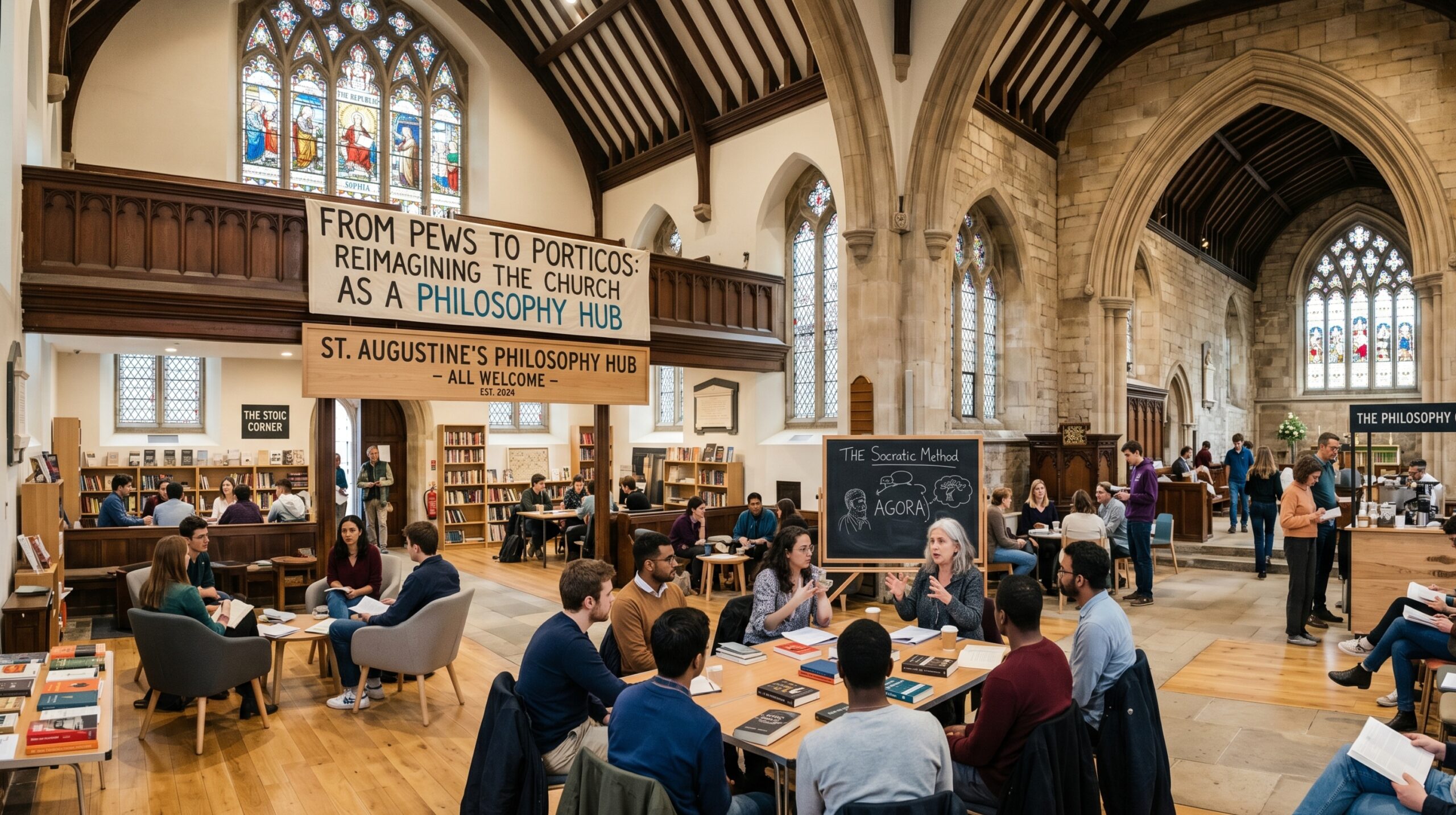
What if we stopped viewing the church building as just a Sunday destination and started seeing it as a Theological Institute—a sanctuary for the mind?
The Open Academy of the Streets
Imagine walking into a space where the air is thick with history but the conversation is centred on today.
By pivoting toward an Open Academy model, the church becomes a place where classical wisdom meets modern life.
This isn’t about dry lectures; it’s about Applied Philosophy.
People are currently fascinated by Stoicism and classical thought as tools for modern resilience.
-
The Content: Host Stoic Sundays or Seneca Evenings, where you pair the writings of Seneca or Marcus Aurelius with theological perspectives.
-
The Connection: Use these sessions to explore how ancient wisdom—from the Church Fathers to the Roman Stoics—can help a busy person navigate the burnout of 2026.
The Open Evening: Pulling Back the Veil
One of the most powerful things we can do is host Open Evenings that strip away the intimidation factor.
We often assume people know what happens behind those heavy oak doors, but for many, it’s a mystery.
By inviting our priests to step out of the ritual for a moment and speak as a person, with their own life issues, we humanise the faith.
Imagine an evening where a priest doesn’t just preach, but explains—honestly and vulnerably—what their vocation means to them and why this ancient institution is the anchor of their life.
It’s an invitation to see the church not as a monolith, but as a living, breathing community of people trying to live well.
A Linguistic Rescue Mission
In an era of disposable text-speak and hollow buzzwords, our church can serve as a sanctuary for language that actually carries weight.
We are launching a Linguistic Rescue Mission to reclaim the profound power of words that have anchored humanity for millennia.
By reintroducing the community to the rhythm of Latin and the precision of classical Greek, we offer a bridge to a past that felt more solid than our digital present.
Imagine a workshop where we deconstruct a single phrase—like vivere militare est—not as a dead language lesson, but as a rallying cry.
It reminds us that to live is to struggle and to persevere, providing a framework for resilience in a chaotic world.
The Church as a Museum of Ideas
Beyond being a place of study, the church can transform into a living Museum of Ideas, where the walls themselves begin to speak.
This isn’t about creating a stagnant archive, but rather a curated gallery of human thought and spiritual evolution.
By treating the building’s architecture and artifacts as prompts for deep reflection, we invite the community to walk through history in a way that feels immediate and vital.
Every stained-glass window or carved archway becomes an entry point for a conversation about justice, beauty, or the human condition—turning a simple walkthrough into an immersive intellectual experience.
To make this truly accessible, we must bridge the gap between the monumental and the personal.
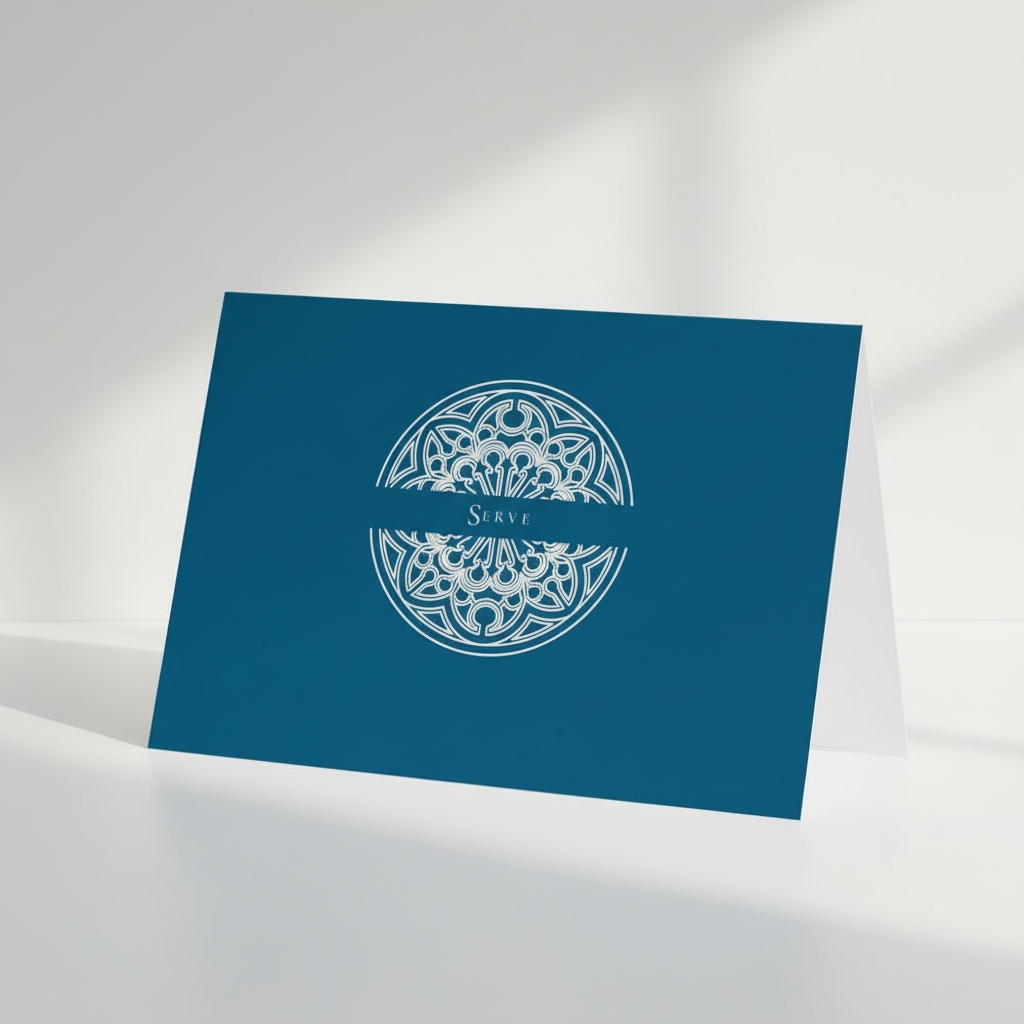
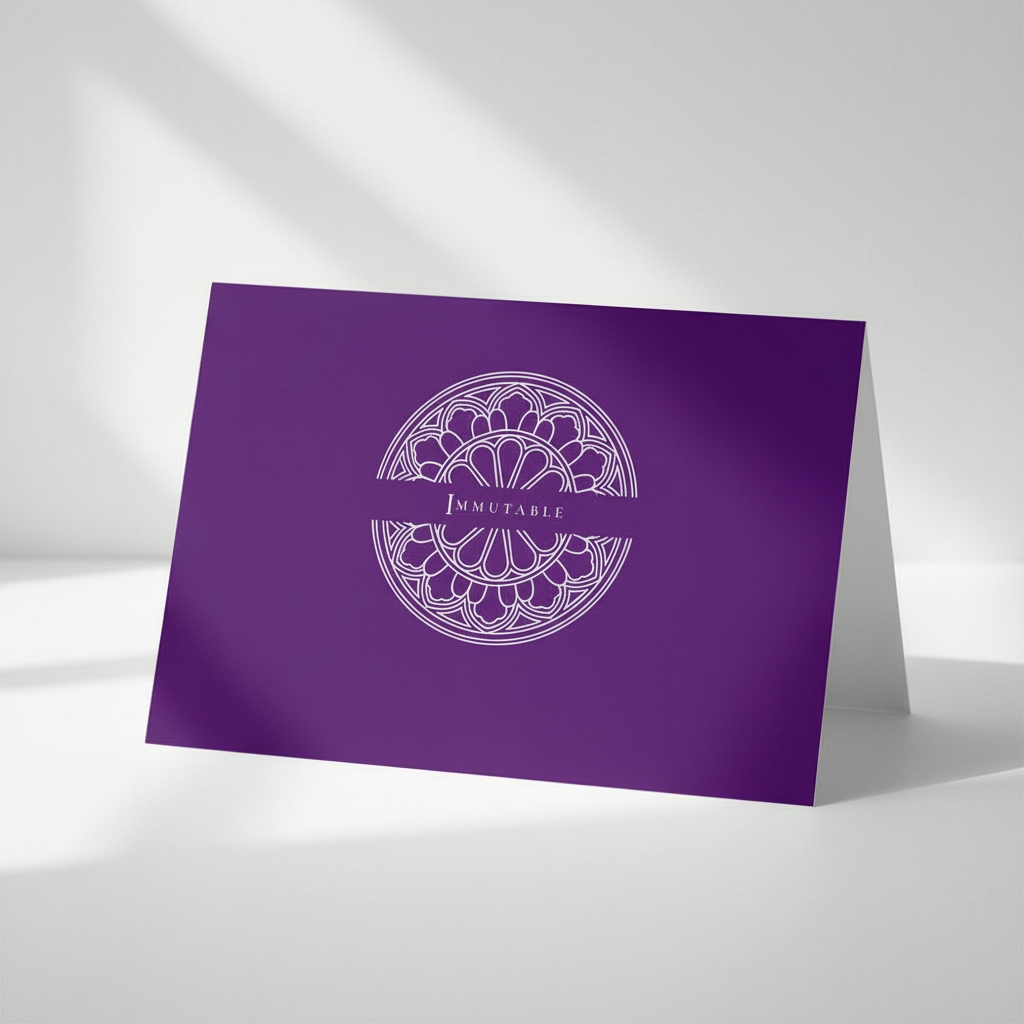
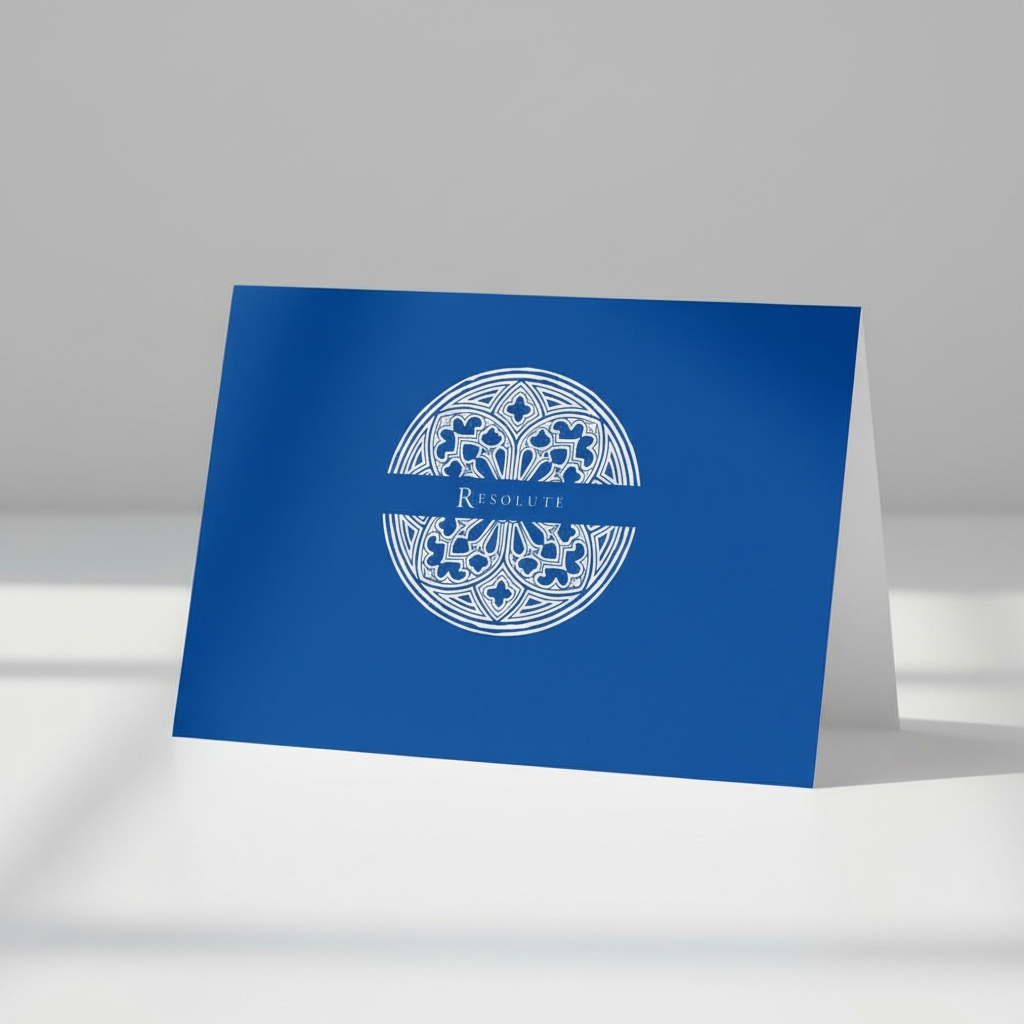
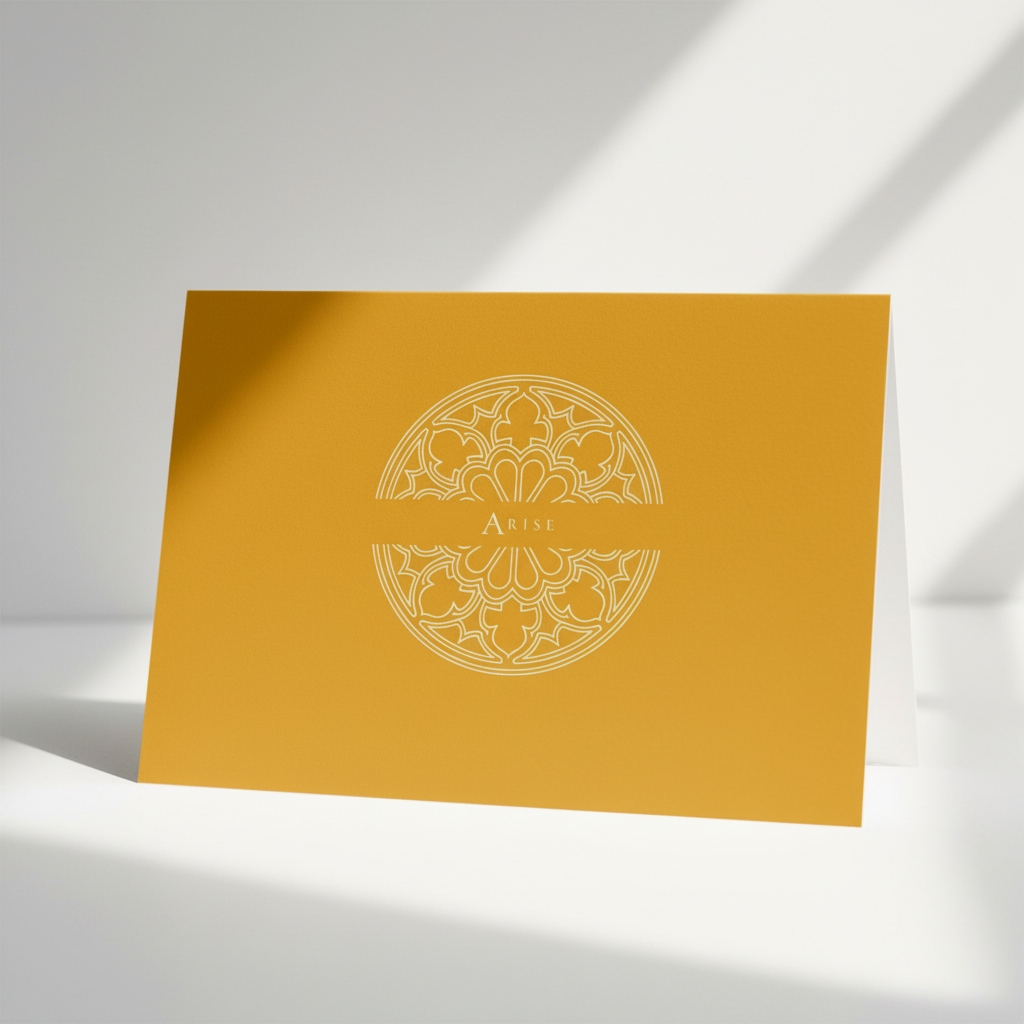
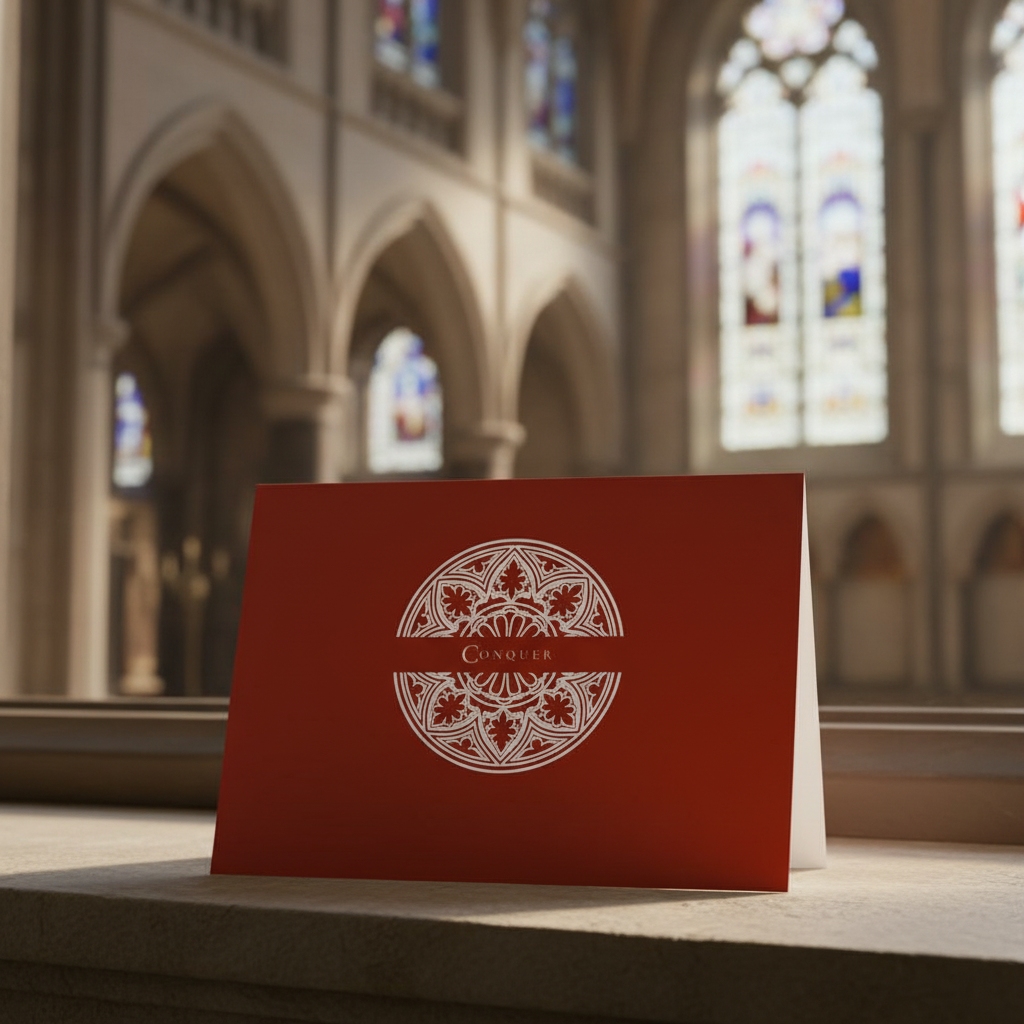
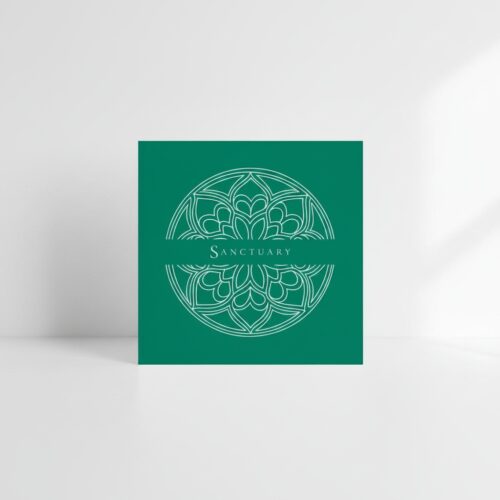
This is where the church gift shop evolves into a vital extension. Instead of generic trinkets, it becomes a source of high-end, tactile mementos that distil complex theological truths into something beautiful you can carry home. When someone leaves with a piece of art that features a verse or a philosophical keyword, they aren’t just taking a souvenir; they are taking a piece of the conversation with them, extending the museum’s walls into their own daily lives.
Why This Matters Now
The local church has the unique opportunity to be the only third space left that doesn’t want to sell you something or track your data.
By reclaiming its role as a hub for theological and philosophical inquiry, it becomes a landmark once more.
We aren’t just preserving an old building; we are developing a visual and intellectual language for the survival of the modern church.
“We are building a portico where everyone—the sceptic, the scholar, and the neighbour—is invited to sit, think, and find their breath.”
*Imagery co-created with AI
Subscribe to our free newsletter
Updates from our Exeter studio on our craft, theology, and the art of slowing down.
* We respect your inbox as much as your privacy. View our privacy policy here.