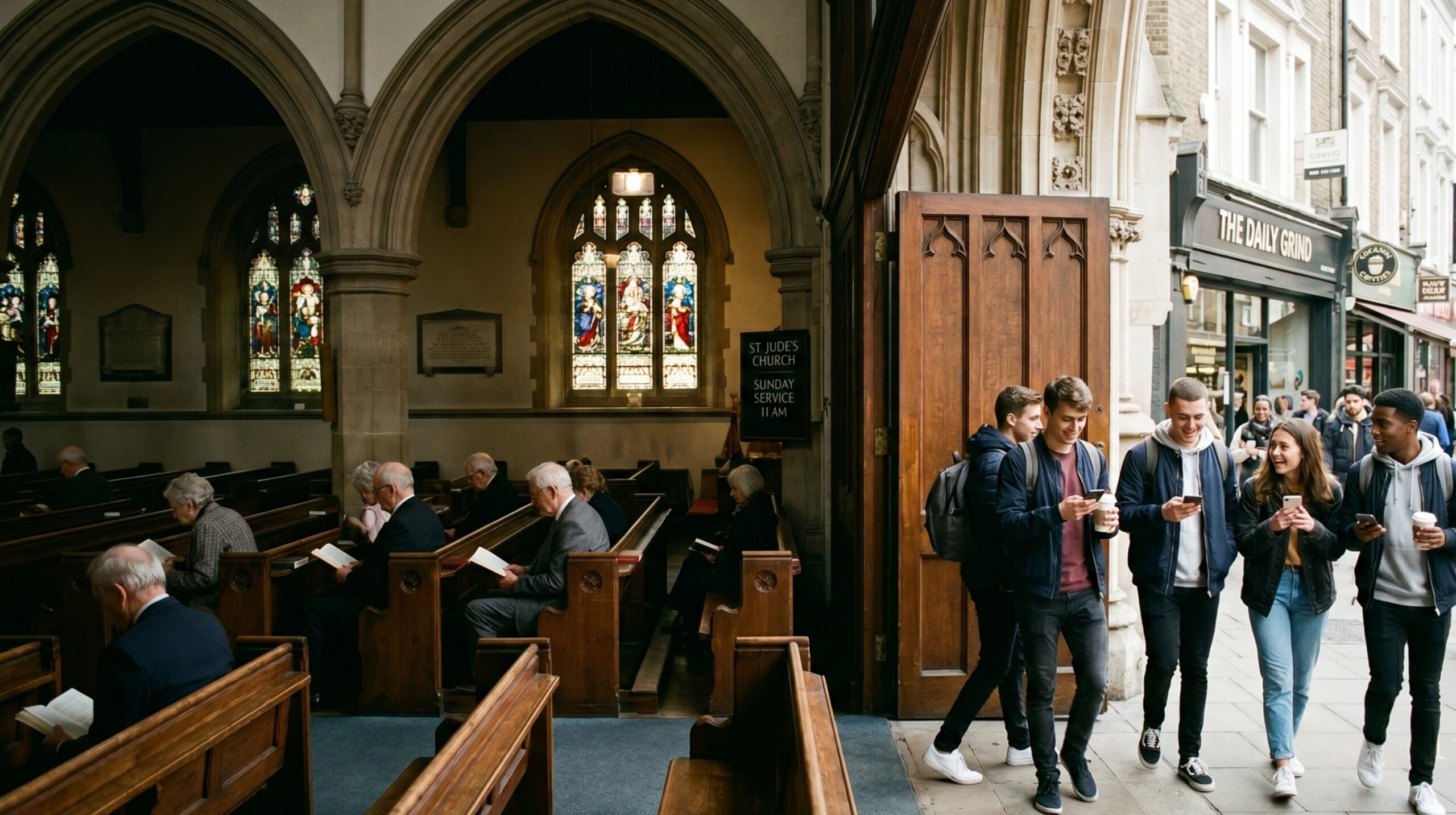
For decades, the church has attempted to bridge the gap between tradition and the modern world. But here’s the cold truth: the world didn’t leave the church because it wasn’t cool enough; it left because the church stopped feeling like a place where real humans could actually exist.
Let’s be honest: walking into a church in 2026 can feel like entering a time capsule full of clip-art flyers, jargon that feels like a secret code, and the underlying sense that the real world stops at the door.
The problem isn’t the tradition; it’s the lack of relatability.
Here is why the bridge is broken and how we might fix it.
1. The Aesthetic Gap
Most church communication feels like it was designed in 1998 or by someone who just discovered Comic Sans.
In a world of high-gloss branding and sleek UI, the church often presents beauty as an afterthought.
-
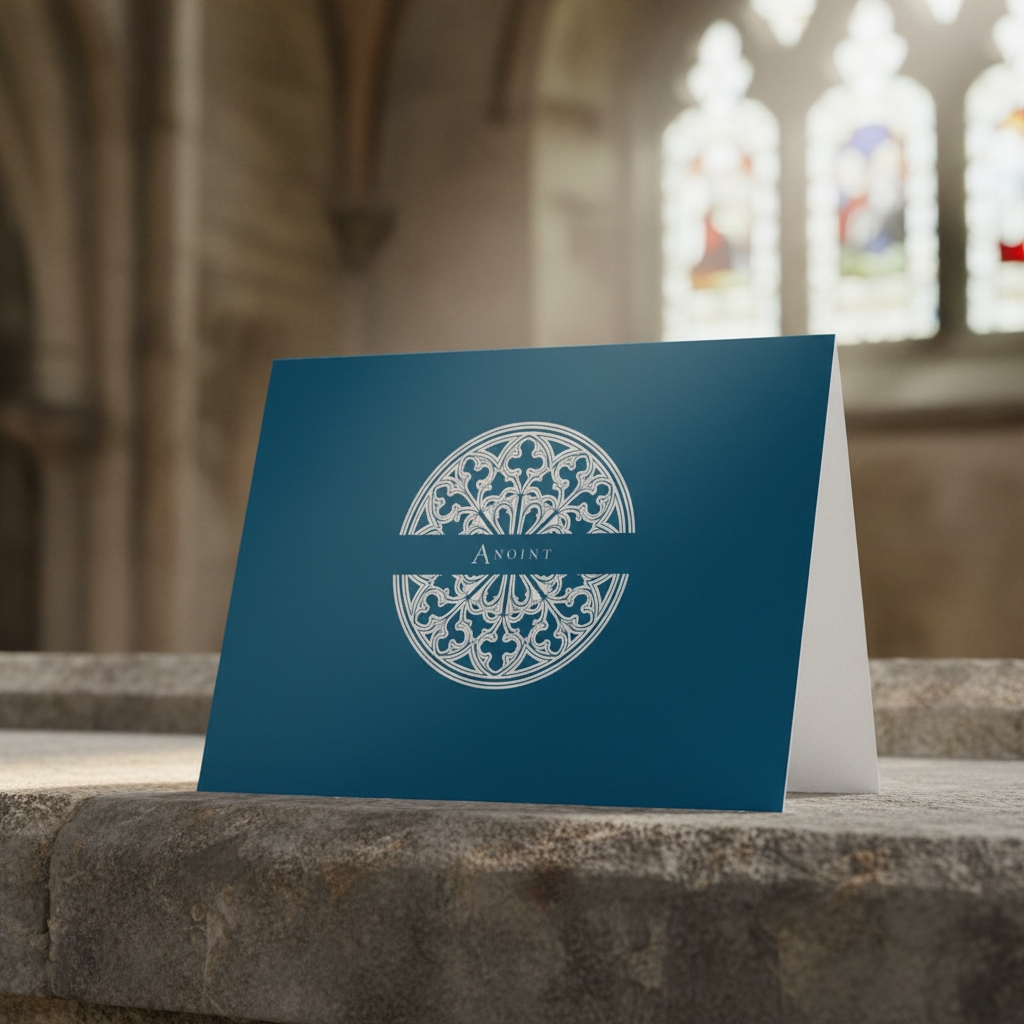
The Fix: We need a visual language that respects the ancient while embracing the modern. Think sharp, clean lines that echo cathedral windows but feel at home on a smartphone. Beauty is a low-barrier entry point; if it doesn’t look like art, why would anyone stop to look?
2. The Busy Person Problem (and the End of Preaching)
The modern world is exhausting.
We ask people to climb spiritual mountains before we’ve even helped them find their footing.
Even worse, we expect them to sit through a lecture once they get there.
People do not want to be preached at. They have enough experts in their feeds; they don’t need another one in a pulpit.
-
The Fix: Ask—does this idea, service, or social post solve a problem or provide inspiration? Replace the monologue with a conversation. If the answer to the question is maybe, it’s because you’re lecturing rather than connecting.
3. Radical Honesty: No More Apologies
We use words like fellowship while people outside are talking about burnout and loneliness.
Part of that disconnect is the unspoken requirement to apologise for being human.
The church often feels like a place where you have to sanitise your soul before you’re allowed to participate.
-
The Fix: Speak the truth about how hard it is to live right now. Relatability comes from shared struggle, not polished perfection. We need to stop asking people to say sorry for their mess and start addressing the challenges of 2026 head-on. When we do, people stop thinking this isn’t for me and start thinking ‘finally, someone gets it’.
4. A Shift in Focus: From Eternal to Now
The traditional sales pitch of eternal salvation is losing ground.
In a world of immediate crises, a distant afterlife feels like a hollow promise.
If the church is only interested in what happens after we die, it becomes useless while we are alive.
-
The Fix: The modern church shouldn’t be a museum or a theme park. It should be a survival kit for the modern soul today. If you want to reach a younger audience, you have to solve for the now. We aren’t saying the afterlife doesn’t exist; but we are saying it’s a poor starting point for a conversation with someone who can’t pay their rent or feels profoundly lonely today.
The Conclusion
Rebuilding the bridge isn’t about finding a better marketing agency; it’s about having the courage to be honest and human whilst creating a visual and spiritual language that values the human experience.
If we want the modern church to survive 2026, we have to stop trying to sell a distant heaven and start building a beautiful, accessible, and honest sanctuary for the here and now.
Let’s stop performing and start building something that actually matters.
“The church service should provide a place where you can finally put your bags down and breathe.”
*Imagery co-created with AI
Subscribe to our free newsletter
Updates from our Exeter studio on our craft, theology, and the art of slowing down.
* We respect your inbox as much as your privacy. View our privacy policy here.